Information on Sleep Apnea
All in One Page Sleep Apnea Info
Looking for information on sleep apnea, but you are too tired to read?
Find all the information you need in one page:
- signs of sleep apnea,
- risk factors,
- sleep apnea problems,
- and various treatments.
 YOUR Sleep Apnea HELP Line
Feeling overwhelmed by too much information about sleep apnea? Are you too tired to read further? I will try to help you. I only need a detailed description of your problem.

Sleep Apnea Definition
According to the Sleep Medicine: Essentials and Review, sleep apnea in an adult is defined as the absence of oral and nasal airflow for at least 10 seconds in duration.
Sleep apnea is very common, affecting more than 4 of 100 people in the middle-aged population, and is more common than either diabetes or asthma.
There are 3 types of sleep apnea:
- Central sleep apnea - occurs when respiratory centers in the brain fail to send the necessary messages to initiate breathing. Although the airway isn't blocked, the diaphragm and chest muscles stop moving, therefore you don't snore if you have central apnea episodes.
- Obstructive sleep apnea - in which cessation of airflow is noted despite continued efforts to breath due to upper airway obstruction, therefore you will snore very loud and irregular.
Obstructive apnea affects almost 18 million people only in the United States, and is most often seen in patients with overweight problems.
A sign can be a thick neck, which is a measure of body weight. So, you may have a sign of sleep apnea if you have you collar size:
- 17 inches or greater (in men)
- 16 inches or greater (in women)
However, thin people can also have obstructive sleep apnea.
- Mixed sleep apnea - consists of an initial central apnea followed by ineffective respiratory effort with obstructive apnea.
 Severity of sleep apnea based on Apnea Hypopnea Index:
- mild sleep apnea - 5 to 15 AHI (events/hour)
- moderate sleep apnea - 16 to 30 AHI (events/hour)
- severe sleep apnea - greater than 30 AHI (events/hour)
Information on Sleep Apnea Causes
Several causes might possibly increase the likelihood of developing obstructive sleep apnea breathing disorder, such as:
- family history
- male gender
- obesity - body mass index > 25
- medical and neurological disorders
- nasal turbinate hypertrophy
- smoking
- inappropriate medication use
- enlarged tonsils and adenoids
- dental malocclusion
- large uvula
- large neck circumference
- nasal septal deviation
- alcohol
- anatomical characteristics.
For more information about risk factors and causes, see Causes of Sleep Apnea.
Information on Sleep Apnea Symptoms
Signs of sleep apnea that should worry you or your doctor include:
- daytime sleepiness
- extreme fatigue
- irregular and loud snoring
- stop breathing in sleep
- repeated awakenings with gasping or choking
- morning headaches
- nocturia
- depression
- dry mouth or throat on awakening
- poor memory and concentration
- hyperactivity (in children)
- impotence or diminished libido
- insomnia
- excessive body movements during sleep.
For more information about apnea symptoms, see Symptoms of Sleep Apnea.
Information on Sleep Apnea Side Effects
Common side effects of sleep apnea include:
- cardiac arrhythmia
- ischemic heart disease
- congestive heart failure
- coronary artery disease
- hypertension
- diabetes mellitus type 2
- weight gain
- increased risk for stroke
- gastroesophageal reflux
- erectile dysfunction and poor sexual function
- social withdrawal
- increased risk of accidents due to decreased alertness and excessive drowsiness.
- marital difficulties
Information on Sleep Apnea Diagnosis
 Before going to the doctor or sleep apnea specialist and ask about your sleep problem, you might want to try these tests:
Because clinical and physical examination is not enough to diagnose the severity of sleep apnea, a sleep study is required.
Information on Sleep Apnea Treatment
The goal of treating sleep apnea is to improve your sleep quality, relieving excessive daytime sleepiness, enhancing your quality of life, and preventing the long-term heart problems of your untreated sleep disorder.
There are a variety of treatments for sleep apnea, including:
- Natural cure for sleep apnea - I strongly believe that behavioural treatments have significant advantages and should be explored early in patients with sleep disorders.
- Moreover, some natural remedies do not carry the health risks or side effects of sleeping pills, and they are always welcome. Here are some examples:
- avoidance of alcohol and sedative medications
- stop smoking
- sleep hygiene
- diet and exercises
- avoiding the supine position
- Alternative cures for sleep apnea - another source of information about treating sleep apnea with alternative solutions.
- Weight reduction - People who are obese are at greater risk of developing sleep apnea than people who are a healthy weight for their height. People with a BMI of 30 or more are usually considered obese.
If you are in this situation, the next strategies may help you:
- weight loss programs
- bariatric surgery for morbid obesity
- reduction of dietary caloric consumption
- sleep apnea exercises
Other relevant treatments:
- Positional therapy - Not sleeping on your back may help if your apnea occurs only in that position, and can be achieved with positional training or with Rematee products.
- Medication for sleep apnea - a large number of medications are used in the treatment of a variety of sleep disorders, however, they must be prescribed by your doctor.For sleep apnea, these medications might help:
- Acetazolamide
- Theophylline
- Dental devices for sleep apnea - there are more than forty different devices currently on the market, which fall into two general categories:
- mandibular advancement device
- tongue retaining device
Upper airway surgery, such as:
- tracheostomy
- uvulopalatopharyngoplasty (UPPP)
- sleep apnea pillar procedure
- maxillomandibular advancement
- nasal surgery
- tonsillectomy and adenotonsillectomy
- genioglossal advancement
Positive Airway Pressure, which is the most effective therapy:
- Continuous positive airway pressure
- Bi-level positive airway pressure
- Automated positive airway pressure
- Nighttime ventilation
Some more interesting pages for you to check out:
Affiliate Disclosure
As an Amazon Associate I earn from qualifying purchases.
Recent Articles


-
The Best CPAP Pillow For Sleep Apnea
Jul 22, 18 01:15 PM
 Why do you need a CPAP pillow, Which pillow is the best for CPAP users, and how to make one if you can't afford It.
 -
How To Use Portable Pulse Oximeter To Track Sleep Apnea Treatment?
Jul 09, 18 02:51 PM
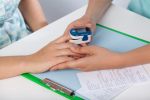 How can a portable pulse oximeter help with CPAP treatment? Can you trust a pulse oximeter to monitor sleep apnea? Click here to find the answers.
 -
The 3 Best Ways To Stop CPAP Dry Mouth
Jun 23, 18 11:02 AM
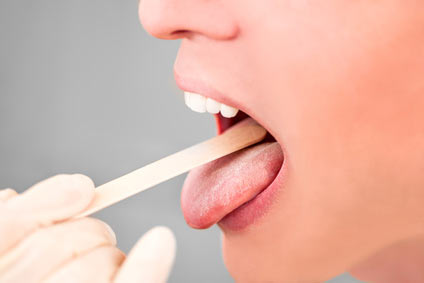 How can you prevent and treat CPAP dry mouth? A practical guide to assist you with dry mouth when using the CPAP machine.
Subscribe
Don't worry - your e-mail address is totally secured. I promise to use it only to send you monthly updates with useful tips to improve you sleep apnea.