Sleep Apnea Surgery
Types of Surgeries for Sleep Apnea
Do you hate CPAP? Sleep apnea surgery can be a good alternative to treat your sleep breathing disorder
to help you.
In some cases, you can't treat sleep apnea only with breathing machines.
Through surgery for sleep apnea you can remove, for example, the tissue that is blocking the airway, like adenoids and tonsils.
Therefore, the goal of this surgery is to eliminate the obstruction of the upper airway.
Is Surgery Effective for Your Sleep Apnea?
It is important to realize that opting for sleep apnea surgery represents a difficult undertaking. The upper airway is an extremely complex structure with a variety of soft tissue and bony structures contributing to the overall airway morphology.
The upper airway not only facilitates exchange of gas between the lungs and atmosphere, but is also crucial in the functions of speech and deglutition.
Alterations in airway structure, by nature of surgery and its associated inflammation and scarring, can alter the ability of the airway structures to maintain these vital functions.
Therefore, selecting the appropriate sleep apnea patient and suitable surgical approach are critical.
Here is a helpful article about the benefits and side effects of surgery for sleep apnea.
Tracheostomy
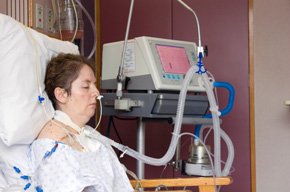
Tracheostomy is virtually 100% effective in eliminating apnea, but is also the last option in sleep apnea surgery. If all of other treatments fail, this simple surgery can eliminate sleep apnea.
In general, you have to be very sick from sleep apnea side effects to need tracheostomy.
In tracheostomy, a small hole is made into the trachea (windpipe) just below the voice box. A tube is inserted, and the air will flow through the tube into the lungs. In this way the obstruction in the upper airway is bypassed.
You will have this small opening all the time. The tube is worn permanently. You should know the opening can be surgically closed later, when you can apply for another therapy.
What are the side effects of tracheostomy?
Infection is the main problem. When you breathe through a tracheostomy, the air enters directly into your lungs. The natural filtering system from the nose and upper airway is diverted. Bacteria and viruses can enter now more easily into your body.
You can't go swimming. As the trach is not watertight, you would drown if you fell in any water. Also, it looks creepy - lets be honest, people stare at it when you first meet them,you cant blame them.
So, you need to be careful. Keep cleaning the tube to avoid penetration of bacteria into lungs.
If you are not mentally prepared for a life with a tube in your neck, you will deal with depression. Your family has to learn about the care necessary after the surgery and should support you in time of depression.
Don't forget about the importance of the hygiene around the tracheostomy hole!
Uvulopalatopharyngoplasty or UPPP
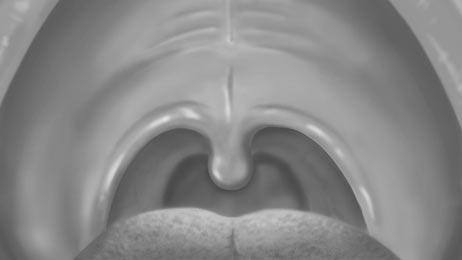
Uvulopalatopharyngoplasty is the most common type of surgery for obstructive sleep apnea, because it was used to treat snoring.
- is a surgery that removes uvula and a part of the soft palate.
- after operation, the voice may change, but usually for a short period of time. The sense of taste could be affected.
- is not a risky surgery. You can leave the hospital after two or three days. The anesthetics and sedatives are the real risk.
- oh, don't forget about the pain! I heard that is more painful than you can expect.
- if you choose this sleep apnea surgery, you need to discuss with your doctor the risks involved.
Recommendations for UPPP
You can have success with this type of surgery if:
- you have mild to moderate obstructive sleep apnea. You can' treat central apnea with this.
- you should not be overweight. And you should not gain weigh after the sleep apnea surgery.
People with severe apnea are not good candidates for UPPP. You should consult a good otolaryngologist to determine you chances with uvulopalatopharyngoplasty.
Laser-assisted Uvulopalatoplasty
Laser Uvulopalatoplasty is a harmless way to treat snoring, through the surgery of the soft palate.
With laser surgery you don't need anesthetics and sedatives and no hospitalization. Is less expensive an less painful than UPPP.
I must advise you that laser uvulopalatoplasty treats a symptom of sleep apnea, like snoring, and it is not a cure for sleep apnea.
Genioglossus advancement
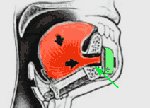
Genioglossus advancement surgery can be used in patients whose examination and cephalometric analysis are consistent with abnormalities of the craniofacial skeleton.
It is common for genioglossus advancement to be performed concurrently with other OSA surgical therapies, for example UPPP, to optimize upper airway caliber. The success of such combinations hasbeen variable ranging from 23 to 77 percent.
Risks associated with GA include the potential need for tracheostomy perioperatively, fractured mandible, infection, hematoma, and injury to the genioglossal muscle.
Septoplasty and Turbinate Reduction
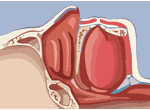
These are the most common surgeries for sleep apnea in patients with nasal obstruction, including deviated septum and enlarged turbinates, and have been proved helpful in some patients, especially by allowing the patient to better tolerate CPAP.
Radiofrequency Volumetric Tissue Reduction
Radiofrequency volumetric tissue reduction has been employed to treat turbinate hypertrophy and reduce the size of the base of the tongue.
It may be useful as an adjunctive treatment to other surgical techniques.
Hyoid Suspension Surgery for Sleep Apnea
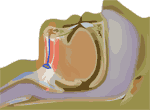
Hyoid suspension will move the hyoid bone forward, increasing the space of the airway.
This procedure is more successful if is performed with other types of surgeries, such as UPPP, tongue reduction, or mandibular advancement.
Gastric Bypass Surgery
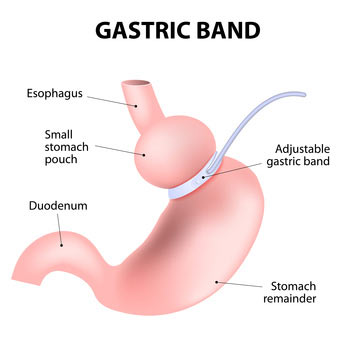
We know that obesity is a risk factor for sleep apnea. To prevent eating a lot of food, you can choose to make your stomach smaller. This sleep apnea surgery is called gastric bypass.
The stomach is reduced in size by dividing it in two parts. The upper part (the new stomach) is smaller than the lower part. After a gastric bypass surgery, your new stomach will receive food from the esophagus and empties into small intestine.
There are a lot of risk factors in this surgery: anesthesia, sedatives, opening and closing of the abdominal cavity, pain and discomfort. You will need more than one month to recover.
But this surgery is only for people whose lives are in danger because of their overweight.This people have already tried to lose weight and they have not succeeded.
Sleep Apnea Guide › Sleep Apnea Surgery
Affiliate Disclosure
As an Amazon Associate I earn from qualifying purchases.
Recent Articles


-
The Best CPAP Pillow For Sleep Apnea
Jul 22, 18 01:15 PM
 Why do you need a CPAP pillow, Which pillow is the best for CPAP users, and how to make one if you can't afford It.
 -
How To Use Portable Pulse Oximeter To Track Sleep Apnea Treatment?
Jul 09, 18 02:51 PM
 How can a portable pulse oximeter help with CPAP treatment? Can you trust a pulse oximeter to monitor sleep apnea? Click here to find the answers.
 -
The 3 Best Ways To Stop CPAP Dry Mouth
Jun 23, 18 11:02 AM
 How can you prevent and treat CPAP dry mouth? A practical guide to assist you with dry mouth when using the CPAP machine.
Subscribe
Don't worry - your e-mail address is totally secured. I promise to use it only to send you monthly updates with useful tips to improve you sleep apnea.