BiPAP Machines
Benefits and Side Effects of BiPAP Machines
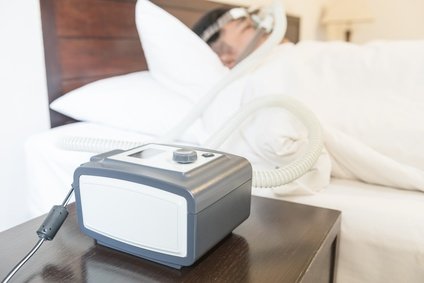
The BiPAP machines or Bi-level PAP are breathing devices, similar with CPAP, that uses bilevel positive airway pressure to treat patients with central and obstructive apnea.
Bilevel positive airway pressure means that the machine delivers air under higher pressure as the sleeper inhales, and switches to a lower pressure during exhalation to make it easier to breathe out.
The machine is usually recommended by sleep doctors if you have central sleep apnea, severe sleep apnea, or if you failed the CPAP therapy.
This video explains the BiPAP machines in detail:
Examples of Bi-PAP machines
Click on each link to learn more info about description and prices:
- Philips Respironics REMstar BiPAP Pro Bi-Flex
- REMStar BiPAP Auto SV Advanced System One
- Devilbiss IntelliPAP AutoBilevel System With SmartCode
Why Would You Use Bi PAP Machines And Not CPAP?
The Bi PAP machine was invented for people who have difficulty exhaling against the pressure of CPAP, or having respiratory failure (see the next video), and make the treatment more tolerable.
The Bi PAP machine was invented for people who have difficulty exhaling against the pressure of CPAP, or having respiratory failure (see the next video), and make the treatment more tolerable.
In this video, you will see a 15 years boy with respiratory problems who speaks about how Bi-PAP improved his quality of life:
If a CPAP user cannot tolerate the machine due to extremely high pressures required to keep the airway open at night, the BPAP machine is the alternative. The patient will receive a lower pressure on exhaling, so the breathing will be more comfortable and effective.
BiPAP versus CPAP
This video is a little technically detailed, but is simple enough to understand the differences between Bi-PAP vs CPAP:
What Type of Patients need Bi-PAP?
You'll mostly need a BiPAP machine in the following situations:
- CPAP users who feel excessive pressure or discomfort during expiration may feel comfortable with lower expiratory pressures from the BPAP machines,
- Bilevel treatment is often applied in patients who are insufficiently treated with constant positive airway pressure (CPAP). These patients may be candidates for APAP treatment, too,
- Bi PAP therapy is useful for patients who suffer primarily from ventilatory impairment, such as those with obesity-hypoventilation syndrome, restrictive thoracic disorder, or chronic obstructive pulmonary disease (COPD),
- BiPAP is also indicated in central sleep apnea that is unresponsive to CPAP,
- it can be used for adult respiratory distress syndrome (ARDS), and various neuromuscular diseases.
BiPAP Therapy Benefits
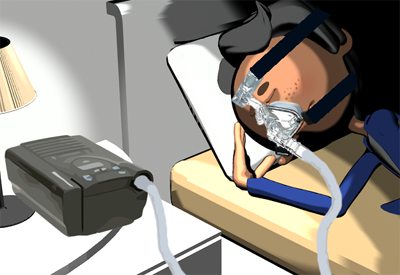
In the near future, Bi-pap machines will be considered the standard treatment for sleep apnea, considering all the superior benefits compared with CPAP:
- patients have good compliance rates with BPAP machines,
- the therapy is effective in terms of clinical status and improvement in blood gas levels,
- the new technology for BiPAP, named expiratory pressure relief (C-Flex), monitors the patient's airflow during his expiration and reduces the pressure in response to the patient's needs. Toward the end of the expiration, the pressure is increased again to prevent airway collapse. With C-Flex, the recent studies have demonstrated increased comfort levels to improve patient adherence.
- Do you have central sleep apnea? Studies have shown that central apneas related to cardiac failure or cerebrovascular accident can be treated with BPAP.
- Patients with COPD can benefit from BiPAP therapy, opposite to CPAP where the patient find difficult exhaling against the positive pressure.
Disadvantages of BiPAP Therapy
In some cases, central apneas may occur with titration of BPAP. The cause is not certain, but is probably due to increased lung volume when the air for inspiration (IPAP) is significantly higher than the air used for expiration (EPAP).
Another disadvantage is the cost of the Bi-PAP machines, which is higher than a regular CPAP machine. To rent a BiPAP unit you need to pay about $350 per month, and if you want to buy the unit, the cost is about $3000.
The other side effects from using the Bi-PAP machine are similar to the CPAP machine in terms of:
- mask air leaks
- general discomfort
- dry nose
- nasal congestion
- rhinitis
Sleep Apnea Guide › BiPAP Machines
Affiliate Disclosure
As an Amazon Associate I earn from qualifying purchases.
Recent Articles


-
The Best CPAP Pillow For Sleep Apnea
Jul 22, 18 01:15 PM
 Why do you need a CPAP pillow, Which pillow is the best for CPAP users, and how to make one if you can't afford It.
 -
How To Use Portable Pulse Oximeter To Track Sleep Apnea Treatment?
Jul 09, 18 02:51 PM
 How can a portable pulse oximeter help with CPAP treatment? Can you trust a pulse oximeter to monitor sleep apnea? Click here to find the answers.
 -
The 3 Best Ways To Stop CPAP Dry Mouth
Jun 23, 18 11:02 AM
 How can you prevent and treat CPAP dry mouth? A practical guide to assist you with dry mouth when using the CPAP machine.
Subscribe
Don't worry - your e-mail address is totally secured. I promise to use it only to send you monthly updates with useful tips to improve you sleep apnea.