High Blood Pressure Symptoms
Treating high blood pressure symptoms and sleep apnea
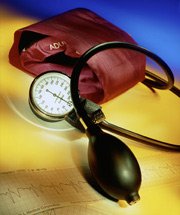
There are 3 reliable clinical symptoms for have sleep apnea: high blood pressure symptoms, snoring and breathing stops during sleep.
About 50% of sleep apnea patients have hypertension, and almost 30% of hypertensive patients also have sleep apnea, often undiagnosed.
Several studies have demonstrated clear evidence that implicates sleep apnea in the development of high blood pressure symptoms. More specifically, the severity of hypertension was found to progressively increase with severity of obstructive sleep apnea.
The Sleep Heart Health Study demonstrated an increased risk of high blood pressure symptoms in patients with obstructive sleep apnea, even at low levels of severity (AHI 5–15 events/hour).
What are the High Blood Pressure Symptoms?
Identifying the high blood pressure symptoms is really difficult, because there are no clear signs, which is the main reason for hypertension to be known as the silent killer.
However, when symptoms do appear, it means that blood pressure is already too high, resulting in damage to important organs like the heart or kidneys. Here are the most common symptoms of hypertension in severe cases:
| High Blood Pressure Symptoms |
headache |
excessive sweating, |
muscle trembling, |
chest pains, |
bleeding from the nose, |
fatigue (which can be mistaken with sleepiness) |
vomiting, |
palpitations of the heart, |
vision deficiency, |
signs of blood in urine, |
nausea, |
weakness. |
How is Sleep Apnea Linked with Hypertension?
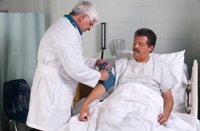
A person with sleep apnea gasps for breath and snores during sleep, following severeal stops in breathing (apnea episodes or apnea events). If these events happens more than five or more times in an hour, it will affect the person's health, worsening over time.
Because the individual stops breathing many times, he has low levels of oxygen in his blood and increased carbon dioxide.
Having decreased levels of oxygen will cause the blood vessels to narrow, resulting in high blood pressure. Furthermore, the person with sleep apnea also tend to have serious heart problems. It may be helpful to learn that the death caused in patients with sleep apnea is mainly caused by serious heart damage.
Here are other examples of triggers for high blood pressure in patients with sleep apnea:
- the stimulation of the sympathetic nervous system through episodes of apnea. In other words, when you have apnea episodes in your sleep, you will stop breathing and your level of oxygen from your blood will drop substantially. This mechanism will increase sympathetic activity that directly elevate the blood pressure.
- Poorer quality of sleep and shorter sleep periods raise de level of blood pressure.
- Hypoxemia or low blood oxygen is a mechanism that appears to be important for triggering hypertension, even if you are a healthy person (when you are at high altitude, on the mountain).
- excess of body weight
- excess dietary sodium intake
- excess alcohol intake
- reduced physical activity
- inadequate intake of fruits, vegetables, and potassium.
How to Improve Your Hypertension Symptoms?
If you have high blood pressure symptoms, then time is not on your side. You need to treat hypertension as soon as possible. If you wait too long, other dangerous health problems will appear, such as:
- cardiovascular disease,
- congestive heart failure,
- chronic kidney disease,
- stroke , and others.
Most of these health problems have deadly consequences.
This video explains how can hypertension damage your body:
Eliminating High Blood Pressure Symptoms with CPAP
Tthe best solution for a person with sleep apnea, to fight and treat hypertension, is to use CPAP .
Sustained and effective treatment of sleep apnea with CPAP, has been reported to acutely decrease the levels of high blood pressure symptoms and sympathetic traffic during sleep.
Because the air pressure from CPAP keeps the airway open, you shouldn't experience loud snoring, apnea episodes or gasps for air. Your sleep will be much more restful, and the high blood pressure usually subsides as well.
However, if you've had sleep apnea for a long time, the high blood pressure may continue for a while.
Is CPAP the Only Option to Treat Hypertension?
What should you do if you can't tolerate CPAP, or can't afford it?
Well, oral appliances that effectively attenuate your obstructive sleep apnea may also lower your blood pressure.
If you have a mild sleep disorder, you can try many types of other alternative treatments.
Also, there are some antihypertensive drugs that can lower hypertension, but there are too dangerous for your health. You may worsen your sleep apnea. Talk with your doctor about this before taking any medication.
Do You Treat High Blood Pressure with Medication?
Recent reports suggest that some drugs used for treating high blood pressure symptoms may worsen your sleep disorder, which decreases after discontinuation of the drug.
The following list shows the side effects of the most common hypertension drugs:
Side Effects of Drugs for High Blood Pressure |
|
Side Effects |
Medication |
Fatigue, |
Beta blockers and doxazosin |
Headache , |
Vasodilators, calcium channel blockers, and ACE inhibitors, |
Drowsiness, |
Alpha and beta blockers, |
Liver damage, |
Methyldopa, |
Dizziness, |
All diuretics, labetalol, and doxazosin, |
Depression, |
Clonidine, guanabenz, guanfacine, and calcium channel blockers |
Heart failure, |
Alpha-1 adrenergic receptor antagonists and vasodilators, |
Insomnia and sleep disorders, |
Beta blockers, |
Breast enlargement, |
Spironolactone, |
Increased cholesterol, |
Thiazide diuretics, |
Menstrual irregularities, |
Spironolactone, |
Nausea and vomiting, |
All diuretics, |
Reduced erections, |
Thiazide diuretics, spironolactone, and methyldopa, |
Vivid dreams or nightmares |
Clonidine, guanabenz, guanfacine, and beta blockers. |
These drugs are great to treat hypertension, but like any synthetic drug, they may cause side effects. If you notice that you have side effect from the list, discuss with your doctor about reducing the dosage or changing the medication.
See a doctor immediately before stopping the medication!
It is strongly recommended to continue the prescribed medicine unless the doctor decides other alternatives. Moreover, tell your doctor if you take natural or alternative medicines, which can lower the effectiveness of your medication.
Improving High Blood Pressure Symptoms with Natural Remedies
A good way to treat high blood pressure is to make life-style modification, such as:
- avoid salty and sodium-rich foods as often as you can. Salt makes you more thirsty and if you drink too much water, you might experience fluid overload that will increase your blood pressure.
- try to stay cool and avoid staying under the sun too much for the same reason that this would make you want to drink more.
- weight loss is a good idea, if you are overweight or obese person
- moderate alcohol intake of no more than two drinks per day
- Avoid fatty and deep fried foods, as well as those that are high in cholesterol. Not only it will trigger your blood pressure to rise significantly but will also put you at risk with stroke and heart attack.
- increase your physical activity such as brisk walking for at least 30 minutes for about 5 days/week
- smoking cessation to improve cardiovascular health
The benefits of all these life-style modification include lowering your blood pressure and reduction of cardiovascular risks. It's difficult to change, but with determination and faith you will be a normal and healthy person, as I am now.
Sleep Apnea › Sleep Apnea Side Effects › High Blood Pressure Symptoms
Affiliate Disclosure
As an Amazon Associate I earn from qualifying purchases.
Recent Articles


-
The Best CPAP Pillow For Sleep Apnea
Jul 22, 18 01:15 PM
 Why do you need a CPAP pillow, Which pillow is the best for CPAP users, and how to make one if you can't afford It.
 -
How To Use Portable Pulse Oximeter To Track Sleep Apnea Treatment?
Jul 09, 18 02:51 PM
 How can a portable pulse oximeter help with CPAP treatment? Can you trust a pulse oximeter to monitor sleep apnea? Click here to find the answers.
 -
The 3 Best Ways To Stop CPAP Dry Mouth
Jun 23, 18 11:02 AM
 How can you prevent and treat CPAP dry mouth? A practical guide to assist you with dry mouth when using the CPAP machine.
Subscribe
Don't worry - your e-mail address is totally secured. I promise to use it only to send you monthly updates with useful tips to improve you sleep apnea.


