Sleep Apnea Stroke
Can you get a stroke from sleep apnea?
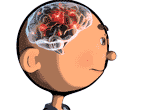
If you have an untreated apnea disorder, you can suffer from sleep apnea stroke, high blood pressure and heart attacks.
Clinical studies demonstrated that obstructive sleep apnea (OSA) is common in patients who suffer a stroke, with a prevalence of 60% to 80%.
Actually, the largest trial examining the relationship between stroke and sleep apnea, demonstrated that those patients with an AHI greater than 11 events/hour were more likely to have reported a history of stroke compared with those with an AHI less than 2 events/hour.
More recently, an observational cohort study that excluded subjects with prior history of stroke or myocardial infarction, reported that OSA patients had a statistically significant increased risk for stroke or death.
The most recent study (2012) demonstrates how soon can a person can get a sleep apnea stroke:
2012 Study: OSA Can Cause Brain Damage in Only 30 Days!
The most recent study (April 2012) called "Cerebrovascular Consequences of Obstructive Sleep Apnea" demonstrates that just after 1 month of having obstructive sleep apnea, a patient can have his blood vessels of the brain and blood flow altered, which could lead to stroke.
The researchers studied a model with an induced 30 apnea episodes per hour (almost 10 secons duration) for an 8 hours sleep. The subject was monitored for 30 days. After 1 month of OSA, the researchers discovered that cerebral vessel dilatory function was reduced by up to 22%.
The damage to the vascular wall in brain arteries is an important risk factor for a stroke in patients with obstructive apnea.
The Link Between Stroke and Sleep Apnea
What is a Stroke?
Stroke is a sudden loss of consciousness and voluntary movement caused by a disruption of blood flow and oxygen to the brain.
In this video you can learn what are the risk factors for stroke, how can you recognize a stroke and what are the treatments available:
 What is the Stroke?
Stroke and Sleep
Every sleep gives your heart a rest, where your heart rate and blood pressure slows down as you enter in deep sleep. But if you don't get enough sleep, this slow beatings of your heart may not occur.
In this way you are more likely to experience strokes and heart attacks:
Stroke associated with sleep apnea
Hopefully you now understand (from the upper video) how important is to get enough sleep.
When you have a bad sleep, your body will release stress hormones such as cortisol and adrenaline, who may increase the risk of stroke and heart disease.
When I speak about sleep apnea and stroke, I am not referring only to the lack of sleep. Snoring is another problem in sleep apnea that also increases the risk of developing stroke and heart failure.
Sleep apnea stroke occur frequently in the morning, between 6.00 - 7.00 AM, in the process of awakening.
Treatment for Sleep Apnea Stroke
The therapy for stroke with sleep apnea is CPAP , which reduces daytime drowsiness and improves you night sleep.
While you're waiting to receive your CPAP from your doctor or DME shop, you can try alternative cures to treat sleep apnea which can be mostly effective if you have a mild or moderate problem.
You should take a sleep test and a physical examination, if you had an unrefreshing sleep, excessive daytime sleepiness and stroke.
Intermittent snoring with loud snorts, breath holding and body movements are features that can't be observed by yourself. So if your spouse or bed partner tells you that you snore or stop breathing during sleep, then speak with your doctor about getting a sleep study done.
Some more interesting pages for you to check out:
- Sleep apnea pillow
- Turbinate reduction for patients with obstructive apnea
- Sleep apnea death - very rare, but possible

Affiliate Disclosure
As an Amazon Associate I earn from qualifying purchases.
Recent Articles


-
The Best CPAP Pillow For Sleep Apnea
Jul 22, 18 01:15 PM
 Why do you need a CPAP pillow, Which pillow is the best for CPAP users, and how to make one if you can't afford It.
 -
How To Use Portable Pulse Oximeter To Track Sleep Apnea Treatment?
Jul 09, 18 02:51 PM
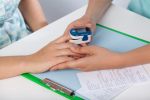 How can a portable pulse oximeter help with CPAP treatment? Can you trust a pulse oximeter to monitor sleep apnea? Click here to find the answers.
 -
The 3 Best Ways To Stop CPAP Dry Mouth
Jun 23, 18 11:02 AM
 How can you prevent and treat CPAP dry mouth? A practical guide to assist you with dry mouth when using the CPAP machine.
Subscribe
Don't worry - your e-mail address is totally secured. I promise to use it only to send you monthly updates with useful tips to improve you sleep apnea.