Understanding the Sleep Study Results
Questions to Ask Doctors About Your Sleep Study Results
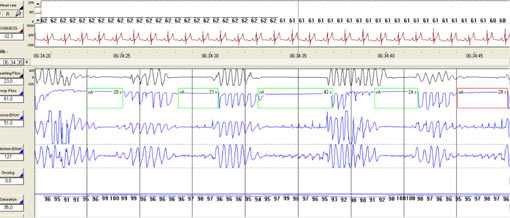
What questions to ask your doctor or sleep technician after you receive the sleep study results?
Knowing the information about your sleep from the sleep study results can make a difference in your future treatment.
- if you know that you sleep on your side better than on your back, you are already qualified for positional therapy for sleep apnea.
- if you know that you breathe with your mouth open, this means that you may have an ineffective CPAP treatment with a nasal mask or nasal pillow. However, you can be more successful with a CPAP full face mask.
- if you know that you have central sleep apnea, you will need medication, plus CPAP therapy.
Not all the sleep centers will give you all the information you need from the sleep study results. Most of the time, they will speak with your doctor or they will recommend the treatment directly.
However, you need to ask the sleep doctor more about your sleep test. The answers from the doctor will help you to make better decisions regarding your treatment for sleep apnea.
| Questions you need to ask about your sleep study results: |
About Central Sleep Apnea - Did I have any central apneas? How many? |
Other disorders - Were there any comorbidities? What were they? |
Positional Sleep Apnea - Did I exhibit Positional Sleep Apnea (PSA)? |
Severity - Was my sleep apnea more severe in one sleeping position as compared to others? |
Pressure requirement - Is my pressure requirement higher in one position as compared to others? (often sleep apnea is more severe when sleeping on the back) |
Mouth Leaks - Do I breathe or leak through my mouth? How often? What do you recommend to prevent it? |
Suspicious results - Is there anything else unusual about the results? |
Effectiveness - How will I know my therapy is preventing the apnea events? |
Availability for help - I am determined to own a data-capable machine and software to monitor apnea episodes, hypopneas and mask leaks. This will allow me to call your office with specific questions if I have problems with the therapy. Will you help me with the appropriate prescription? |
To fully benefit from your sleep study results, you'll need:
1. Request a copy of the doctor's dictated results and the full scored data summary report, with condensed graphs, from both your sleep evaluation and your titration.
Remember that you have a legal right to these copies under The Health Insurance Portability and Accountability Act (HIPAA).
2. Request that you be given a copy of your equipment order (prescription).
You will want to shop your local DME provider options before committing to purchase. You will also need that prescription in case your CPAP or accessories are lost, stolen or broken while traveling.
3. Ask that your equipment order (prescription) include:
- access to AHI, AI and Leak Data turned on,
- heated humidifier,
- nasal cushion, full face masks, nasal pillows or oro-nasal mask of patient's choice.
Home › Sleep Study › Understanding Sleep Study Results
Affiliate Disclosure
As an Amazon Associate I earn from qualifying purchases.
Recent Articles


-
The Best CPAP Pillow For Sleep Apnea
Jul 22, 18 01:15 PM
 Why do you need a CPAP pillow, Which pillow is the best for CPAP users, and how to make one if you can't afford It.
 -
How To Use Portable Pulse Oximeter To Track Sleep Apnea Treatment?
Jul 09, 18 02:51 PM
 How can a portable pulse oximeter help with CPAP treatment? Can you trust a pulse oximeter to monitor sleep apnea? Click here to find the answers.
 -
The 3 Best Ways To Stop CPAP Dry Mouth
Jun 23, 18 11:02 AM
 How can you prevent and treat CPAP dry mouth? A practical guide to assist you with dry mouth when using the CPAP machine.
Subscribe
Don't worry - your e-mail address is totally secured. I promise to use it only to send you monthly updates with useful tips to improve you sleep apnea.