Melatonin Side Effects
Learn the most common Melatonin Side Effects and How Melatonin Influences Sleep
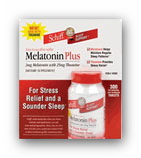
You probably heard that some people take melatonin tablets for stress relief and a sounder sleep. However, you need to consider important melatonin side effects that may appear in some cases.
In this page you'll learn what is melatonin, why people use the tablets, and what are its side effects.
What is Melatonin?
We all have an internal body clock that has a schedule for our hormone production and other biological activities.
Melatonin has the important task to control your internal clock, and to help you get a good night's sleep. It also helps reduce your core body temperature, which helps to induce sleep.
Melatonin hormone is secreted by the pineal gland, which lies at the base of the brain. This hormone is produced almost exclusively during the night, when it's dark.
The secretion of the hormone usually peaks between midnight and 2am, then starts to fall beginning at about 4-5am.
In this video you will learn why melatonin is so important for a good sleep:
 Is Melatonin the Secret to a Good Night's Sleep?
Melatonin Side Effects
Now that you learn how melatonin works on your body, you should know also the other side of the story. You probably wonder if it's wise to take melatonin pills if you have a shift work disorder or another sleeping condition.
Here is what you should know before taking melatonin pills:
| The Side Effects of Melatonin |
Reducing alertness - the most important thing is that melatonin can reduce alertness and induce sleepiness. So you should be very careful once you have take it and avoid driving and other dangerous operations. |
Headache and Nausea - headache, sleepiness and nausea are also very common side effects in people who take melatonin pills - you should always use a quality product of melatonin, with license and quality-controlled verification. |
Increased Blood Sugar Levels - melatonin may reduce the sensitivity of the body to insulin, resulting in increased blood sugar levels. |
Biological Clock Function - Melatonin directly affects the timing of your biological clock. |
Unwanted substances - Always read the label carefully to avoid unwanted wheat, gluten, egg, milk or animal derivatives. Also check for such inactive ingredients as corn or rice starch, gelatin, methycellulose or talc. |
Toxic danger - researches advise caution and only short-term administration of melatonin in children, since toxicity and other side effects have not been determined. |
Depression - is another melatonin side effect in people who have had episodes of depression. |
Autoimmune disease complications - people with autoimmune disease such as rheumatoid arthritis, or with diabetes, epilepsy, leukemia, eye diseases and headaches should also avoid melatonin. |
Abnormal sleeping habits - some people have strange reactions to melatonin: Instead of getting sleepy at nighttime, they get sleepy during the day. |
Interestingly enough, melatonin is starting to be more and more recommended by doctors, as you can see in this video:
The Uses and Doses of Melatonin
In conclusion, you should realize that melatonin is a powerful hormone, and even in small doses, it may affect a number of different body processes. That's why you should always talk to your doctor before taking any sleeping aid, including melatonin.
Some more interesting pages for you to check out:
- Restless Leg Syndrome Treatment
- Shift Work in people with apnea breathing disorder
- Side sleeper pillow


Affiliate Disclosure
As an Amazon Associate I earn from qualifying purchases.
Recent Articles


-
The Best CPAP Pillow For Sleep Apnea
Jul 22, 18 01:15 PM
 Why do you need a CPAP pillow, Which pillow is the best for CPAP users, and how to make one if you can't afford It.
 -
How To Use Portable Pulse Oximeter To Track Sleep Apnea Treatment?
Jul 09, 18 02:51 PM
 How can a portable pulse oximeter help with CPAP treatment? Can you trust a pulse oximeter to monitor sleep apnea? Click here to find the answers.
 -
The 3 Best Ways To Stop CPAP Dry Mouth
Jun 23, 18 11:02 AM
 How can you prevent and treat CPAP dry mouth? A practical guide to assist you with dry mouth when using the CPAP machine.
Subscribe
Don't worry - your e-mail address is totally secured. I promise to use it only to send you monthly updates with useful tips to improve you sleep apnea.