Alternatives to CPAP
What products can replace CPAP to help treat sleep apnea
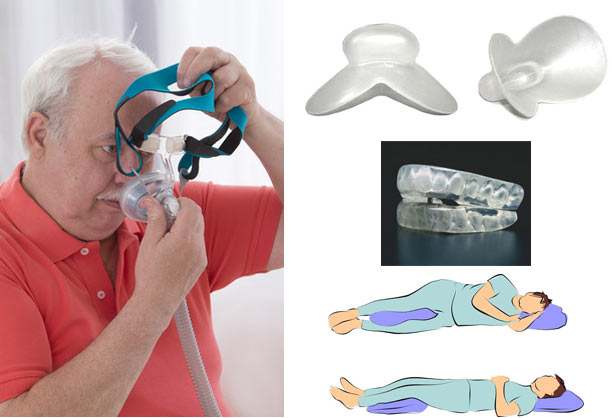
Discover the most common alternatives to CPAP treatment, considering that some people do not like CPAP or have trouble using them.
Alternatives to CPAP are for people who have difficulty exhaling against the pressure of CPAP. Fortunately, there are many solutions on the market.
Over the last 15 to 20 years, the CPAP equipment and masks have become increasingly user friendly.
The machines are smaller, portable, and quieter, and also allow data capture of patient adherence and CPAP efficiency.
However, if you can't tolerate your CPAP, even after you applied the advice from the article about CPAP Side Effects, you may want to try the alternatives to CPAP.
Top 5 Alternatives to CPAP:
1. Special Dental Device for Obstructive Apnea
A sleep apnea dental device is used to relieve upper airway obstruction and snoring by modifying the position of the mandible, tongue, and other oral-pharyngeal structures.
An oral appliance also prevents the tongue from blocking the airway passages.
There are two types of special dental devices for OSA:
1. Mandibular Advancement Device (MAD)

These are oral appliances which are fitted to the maxillary and mandibular dentition, and works by altering the position of the lower jaw, or mandible.
The dental device pushes the lower jaw forward. This also repositions the tongue, which is attached to the lower jaw.
By repositioning the lower jaw and tongue, the oral appliance keeps airways open and prevents the appearance of snoring and apnea events.
For more info about MAD, see Mandibular Advancement Device.
2. Tongue Retaining Devices (TRD)
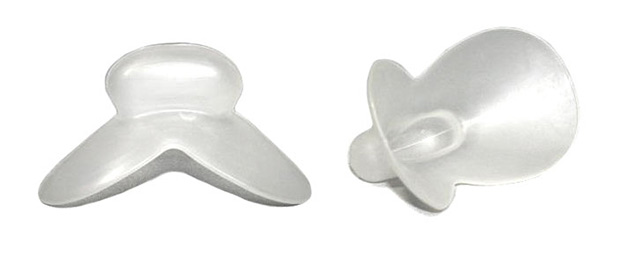
This device reposition the tongue in an anterior position by securing it with negative pressure in a soft plastic bulb that directly contacts the base of the tongue.
Other type of TRD uses a suction cup that attaches to the front of the tongue, pulling the tongue forward to prevent the back of the tongue from collapsing.
For more info about TRD for sleep apnea, see Tongue Retaining Devices.
2. Bilevel positive airway pressure (BiPAP)
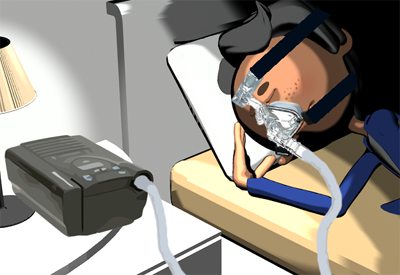
Bi-level PAP (often referred to by the trademarked name BiPAP) are anotheralternatives to CPAP machines, and they are more efficient than CPAP.
BiPAP machines provides two pressure levels, one during inhalation and a lower one during exhalation.
The pressure drop during exhalation is designed to increase comfort for patients who have trouble exhaling against an continuous incoming pressure, such as CPAP.
Here is a video explaining why BIPAP will become a standard in the treatment of sleep apnea:
For more info on bi-level therapy, see BiPAP Machines.
3. Positional Therapy
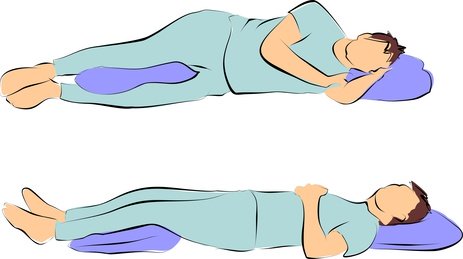
Positional therapy can be an effective treatment for if you have snoring or mild to moderate obstructive sleep apnea. You'll sleep on your side rather than on your back, comfortably enough to have a sleep without apnea episodes and snoring.
There are two products that can help you achieve the side sleeping position: the anti-snore shirt and the side sleeping backpack. There products are used in over 500 sleep centers in US and Canada with great success.
However, patients with central sleep apnea and with severe obstructive apnea will not benefit from positional therapy.
This video will explain more about the benefit of sleeping on the side for patients with snoring and sleep apnea:
4. Special Pillow for CPAP users
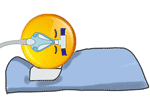
The CPAP pillow is designed to aid CPAP users in a better sleep. So, these pillows are not really alternatives to CPAP treatment, but it can help you sleep better with your CPAP mask.
The CPAP pillow is specially designed to allow the mask and hose to stay in place, while avoiding pressure points on the face and leaks in the mask while sleeping. Many pillows have soft polyester fill with a special cotton cover (removable for washing).
Benefits of CPAP pillow:
- enhance your sleep experience
- provides unsurpassed comfort
- provides increased freedom of the patient's movement during the night
- supports the neck and keeps the spine aligned
- reduces leaks from the mask
- decreases pressure of the CPAP mask against the face
(it depends of the type of the pillow):
- the pillow can be bulbous and hard
- discomfort
- it can leave little real pillow to rest a head on
- according to some company's return policy, hygiene law prohibit them accepting returns or giving refunds on pillows.
Click here to learn more information about pillows for CPAP.
5. Didgeridoo Sleep Apnea
Didgeridoo instruments are the newest alternatives to CPAP treatment on the market! And they are quite interesting, too.
Have you ever heard about didgeridoo ? If not, it's time to learn more about it, because is a new snoring remedy that can improve your sleep apnea, too.
This didgeridoo therapy for sleep apnea was also included in "The Mayo Clinic Book of Home Remedies" published in Nov. 2010.
Please check the following video to learn more about treating obstructive apnea with didgeridoo:
Click here to learn more about didgeridoo therapy for sleep apnea.
Home › Cures for Sleep Apnea › Alternatives to CPAP
Affiliate Disclosure
As an Amazon Associate I earn from qualifying purchases.
Recent Articles


-
The Best CPAP Pillow For Sleep Apnea
Jul 22, 18 01:15 PM
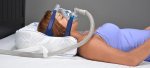 Why do you need a CPAP pillow, Which pillow is the best for CPAP users, and how to make one if you can't afford It.
 -
How To Use Portable Pulse Oximeter To Track Sleep Apnea Treatment?
Jul 09, 18 02:51 PM
 How can a portable pulse oximeter help with CPAP treatment? Can you trust a pulse oximeter to monitor sleep apnea? Click here to find the answers.
 -
The 3 Best Ways To Stop CPAP Dry Mouth
Jun 23, 18 11:02 AM
 How can you prevent and treat CPAP dry mouth? A practical guide to assist you with dry mouth when using the CPAP machine.
Subscribe
Don't worry - your e-mail address is totally secured. I promise to use it only to send you monthly updates with useful tips to improve you sleep apnea.