Sleep Epilepsy
Discover the link between sleep epilepsy and other sleep disorders.
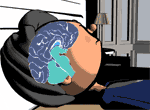
Some doctors say that sleep epilepsy is an incorrect term for sleep disorder called narcolepsy. However, in this page you will learn that the seizures from epilepsy are caused by different types of sleep disorders, including sleep apnea.
So, if you have sleep apnea, the subject about sleep epilepsy may interest you.
What is Sleep Epilepsy?
Epilepsy is a condition that causes recurrent, sudden, brief changes in the normal electrical activity of the brain.
During an epileptic episode, commonly called a seizure or convulsion, brain cells fire uncontrollably at up to four times their normal rate, temporarily affecting the way a person behaves, moves, or thinks.
The link between sleep disorders and epilepsy
Scientists clearly stated that sleep disorders, and especially breathing disorders during sleep, are more widely prevalent in persons where their family history shows diseases like asthma, epilepsy, or Parkinson's disease.
To understand better why sleep disorders affect epilepsy and vice versa, let's investigate what happens during an epileptic seizure.
In general, a sudden, brief changes in the normal electrical activity of the brain causes epilepsy. During an epileptic seizure or convulsion, the brain cells fire uncontrollably at up to four times their normal rate, temporarily affecting the way a person behaves, moves, or thinks.
If you have epilepsy, then you are twice as likely as others to suffer from sleep problems, like insomnia. Disturbed sleep and daytime sleepiness are the most common problems encountered in people with sleep epilepsy, when the seizures occur mainly during sleep.
Sleep deprivation can trigger a seizure of epilepsy, a phenomenon noted in college during exam periods. Each semester, a few students suffer their first seizures after staying up late to study.
This video explains more about the causes of epilepsy:
 What causes Epilepsy?
Effects of sleep epilepsy
Patients with seizures of epilepsy during sleep complain about:
- insomnia
- disrupted sleep the following night
- sleepiness on the day following an epilepsy seizure.
The influence of sleep on epilepsy
Sleep has a strong influence on epilepsy seizures. Studies have shown that sleepiness and sleep deprivation may increase the seizures, and that correcting potential causes of sleep loss may improve the seizure frequency.
This improvement can be a good news for sleep apnea patients, where sleep deprivation and sleepiness is so common. Treating sleep apnea can also help the patients to avoid the epilepsy seizures.
The influence of sleep disorders on epilepsy
Seizures of epilepsy as a direct result of apnea episodes are rare. There are a few patients that caused a seizure after severe oxygen desaturation and heart failure, but this phenomenon is rare.
However, recurrent seizures are more commonly reported in patients with obstructive sleep apnea, and there is no doubt that obstructive apnea increases the seizure frequency in individuals with epilepsy.
The reasons that sleep apnea may increase seizure during sleep is unclear, but scientists focuses on two factors: sleep loss and oxygen desaturation.
Sleep Apnea and Epilepsy
Sleep apnea may be more likely to occur in patients with epilepsy because of the central nervous system disease and the therapies. For example:
- weight promoting medications such as valproate, vigabatrin, and gabapentin may increase obesity and increase the likelihood for sleep apnea.
- respiratory suppressant medications such as benzodiazepines and barbiturates may decrease sensitiveness to carbon dioxide and oxygen desaturation and increase the relaxation of the upper airway musculature.
- stimulation therapies for epilepsy, such as VNS, may increase the airway disturbance or change central nervous system respiratory regulation during sleep, resulting periodic apnea episodes.
Restless legs syndrome and epilepsy
Restless legs syndrome and periodic limb movement can also appear in patients with epilepsy, mainly because of the same baseline origin of the problems: the brain.
Some antiepileptic medications can help both the epilepsy and the restless legs syndrome symptoms, such as gabapentin, clonazepam, and carbamzepine.
Bottom line...
Patients with epilepsy may also develop sleep disorders such as:
- obstructive sleep apnea
- restless legs syndrome
- periodic limb movements
- narcolepsy
- insomnia
- cicardian rhythm disorders
So, if you know that you have sleep epilepsy and have unexplained symptoms of excessive daytime sleepiness you should have an overnight sleep study to evaluate the potential of an underlying sleep disorder.
The good news is that therapy to improve sleep disorders may also improve the sleep related complaints, quality of life, and epilepsy seizure frecquency.
Here's some of my more popular pages:
- CPAP Device to treat apnea syndrome
- What is the best cure for sleep apnea?
- The link between Fibromyalgia Symptoms and Sleep Disorders

Affiliate Disclosure
As an Amazon Associate I earn from qualifying purchases.
Recent Articles


-
The Best CPAP Pillow For Sleep Apnea
Jul 22, 18 01:15 PM
 Why do you need a CPAP pillow, Which pillow is the best for CPAP users, and how to make one if you can't afford It.
 -
How To Use Portable Pulse Oximeter To Track Sleep Apnea Treatment?
Jul 09, 18 02:51 PM
 How can a portable pulse oximeter help with CPAP treatment? Can you trust a pulse oximeter to monitor sleep apnea? Click here to find the answers.
 -
The 3 Best Ways To Stop CPAP Dry Mouth
Jun 23, 18 11:02 AM
 How can you prevent and treat CPAP dry mouth? A practical guide to assist you with dry mouth when using the CPAP machine.
Subscribe
Don't worry - your e-mail address is totally secured. I promise to use it only to send you monthly updates with useful tips to improve you sleep apnea.