Sleep Apnea Equipment
What kind of equipment can help sleep apnea?
How to find the ideal sleep apnea equipment? Which medical equipment can treat your sleep apnea syndrome?
Are you searching for sleep apnea medical equipmentthat can help you treat sleep apnea?
Then this page can offer you a wide range of medical supplies, including reviews of the most rated products.
Fortunately, if you want to treat sleep apnea, you have plenty of options to choose from:
CPAP Devices
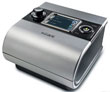
The CPAP Device remains the essential sleep apnea equipment for the therapy of obstructive sleep apnea.
CPAP therapy uses continuous air pressure by acting as a pneumatic splint to prevent the upper airway soft tissue from collapsing. In general, you will receive a CPAP after a polysomnogram.
You will need a CPAP equipment if you have moderate to severe sleep apnea. CPAP therapy is also helpful if you have mild obstructive sleep apnea associated with cardiovascular disease.
To be qualified for CPAP therapy, you must meet one of the following criteria using the apnea hypopnea index:
- AHI > 15 apnea events per hour
- AHI between 5 apnea events and 14 apnea events per hour, if you also have symptoms of excessive daytime sleepiness, insomnia, hypertension, heard disease, history of stroke.
CPAP Masks
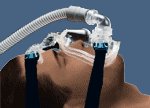
To have success with CPAP therapy, you not only need a good CPAP device, but also the best sleep apnea mask for your needs.
What does it mean to have the best CPAP mask? If you get a mask fit that alleviates air leakage, then you are 90% closer to a healthy life without sleep apnea. The size and contours of your nose and face will dictate the size of sleep apnea mask needed.
BiPAP and AutoPAP devices
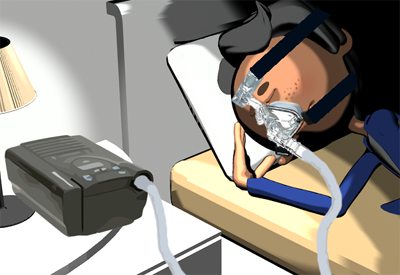
For people who have difficulty exhaling against the pressure of Continuous Positive Airway Pressure, there are other sleep apnea machines, including BiPAP and AutoPAP.
These sleep apnea machines are the most recent innovation, delivering air under higher pressure as the patient inhales and switches to a lower pressure during exhalation, to make it easier to breathe out.
Dental Devices
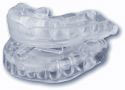
A good alternative for CPAP devices are sleep apnea dental devices, which fall into two general categories:
These dental devices, which are available from dentists, are often effective when worn every night. However, some people find them uncomfortable and they will stop the therapy with dental devices.
Side Sleeper Pillow
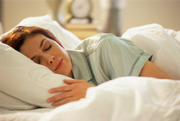
The side sleeper pillow is very helpful if you snore when lying on your back - you have good chances to eliminate snoring when you sleep on your side, or when you elevate your head by propping up one end of the bed a few inches.
Portable Pulse Oximeter
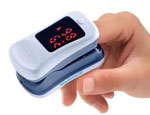
The Portable Pulse Oximeter can be a very useful sleep apnea equipment that can monitor your treatment effectiveness.
The problem with sleep apnea is the loss of oxygen while you are sleeping. If you are very concerned, you can try to buy a pulse oximeter which measures the oxygen in your blood while you sleep, they have ones you can dowload to your computer.
With a portable pulse oximeter you can check to see if your oxygen is getting so low that is causing damage to your body. The pulse oximeter is just a little device you put on your finger - like a bandaid. It is hooked to a separate machine and records oxygen levels all night long.
Humidifiers for CPAP

The CPAP Humidifier can be a useful equipment for sleep apnea if you have congestion problems, that can affect your CPAP therapy.
The humidifiers tend to make a difference if you live in a hot climate - where the air is naturally dry - or a cold climate, where the indoor air is artificially dry because the heating system from the house produces dry heat.
Nasal Strips
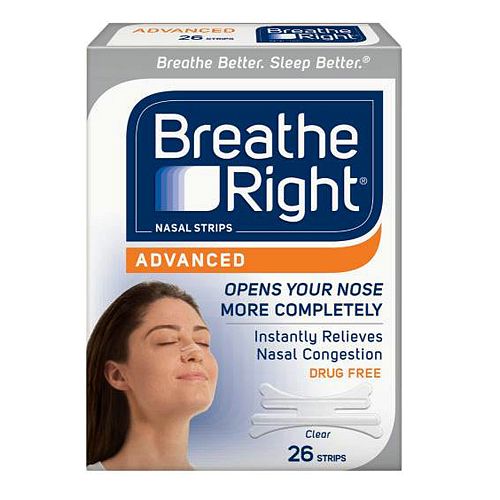
If your snoring or obstructive sleep apnea results from a narrowed nasal valve, a nasal strip can be an effective sleep apnea equipment.
Nasal strips, which you've probably seen worn by some football players, can provide temporary relief from nasal congestion and stuffiness and may also reduce or eliminate snoring.
Mechanical Dilators
A variant of nasal strips are mechanical dilators, which are useful if your snoring originates from the nose and not from the mouth or throat.
Some more interesting pages for you to check out:

Affiliate Disclosure
As an Amazon Associate I earn from qualifying purchases.
Recent Articles


-
The Best CPAP Pillow For Sleep Apnea
Jul 22, 18 01:15 PM
 Why do you need a CPAP pillow, Which pillow is the best for CPAP users, and how to make one if you can't afford It.
 -
How To Use Portable Pulse Oximeter To Track Sleep Apnea Treatment?
Jul 09, 18 02:51 PM
 How can a portable pulse oximeter help with CPAP treatment? Can you trust a pulse oximeter to monitor sleep apnea? Click here to find the answers.
 -
The 3 Best Ways To Stop CPAP Dry Mouth
Jun 23, 18 11:02 AM
 How can you prevent and treat CPAP dry mouth? A practical guide to assist you with dry mouth when using the CPAP machine.
Subscribe
Don't worry - your e-mail address is totally secured. I promise to use it only to send you monthly updates with useful tips to improve you sleep apnea.