Sleep Apnea and Obesity
Learn Why Obesity can cause obstructive sleep apnea
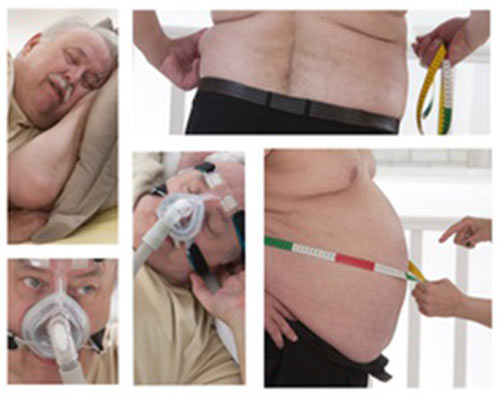
There is a strong relationship between sleep apnea and obesity. The link is so strong that almost every obese person have at least one symptom of sleep apnea: lound and irregular snoring.
Being overweight often contributes to snoring, since excess fat in the neck area reduces the width of the air passage.
But why does almost every overweight person snore? And how much are the at risk of developing obstructive sleep apnea?
Why Obesity is Causing Sleep Apnea?
To say it simple and plain: as long as you gain weight, your neck gets thicker. When the level of fat from the throat increases, your airway is getting smaller.
The fat is located not within the wall of the airway but around it, and when the muscle tone is reduced during sleep, the fatty tissue, in effect, mass loads the airway and tends to collapse it.
In other words, the more fat in the throat, the more likely the airway is in danger to become blocked.
Obesity is the main enemy against treating sleep apnea
Obesity is the strongest risk factor for obstructive sleep apnea, when even small changes in weight can result in significant changes in upper airway collapsibility and severity of upper airway obstruction.
Obesity - a huge risk to worsen sleep apnea
In overweight people, the excess of fatty tissue on the abdomen causes abnormal weight that can interfere with the normal breathing.
So, the more overweight you are, the more difficult is to breath in sleep and you will worsen sleep apnea.
Let's take Shaquille O'Neal as an example. He is quite big, overweight, but not obese. Still, he admits he has problems with his sleep. But his wife knows a lot more about him:
When sleep apnea is aggravated, you may feel more drowsy during the day. This means that excessive daytime sleepiness - an important symptom of sleep apnea - is getting worse, too.
If we sleep all day, we don't consume enough energy and so we become less active and gain more weight. In this way we aggravate our health situation harder .
As you can see, if you are obese, you can enter a vicious circle, where obesity will cause sleep apnea, which will make you less active, causing you to gain more fat. This will again, worsen sleep apnea...and so on...
The Pickwickian Syndrome
The Pickwickian Syndrome is a type of sleep apnea that is associated with extreme obesity. This syndrome is the result of obesity on people that can't lose weight.
Improving Sleep Apnea and Obesity
The following tips will guide you to break the link between sleep apnea and obesity:
1. Weight Loss
Weight Loss can eliminate sleep apnea, if obesity is one of the main causes. We also know that sleep apnea can cause weight gain, because you sleep less at night and you are always drowsy every day.
It has been shown that weight loss can lead to an improved sleep efficiency, decreased snoring and improved oxygenation, but it will be very difficult to escape obesity as long as sleep apnea is untreated.
For better results with weight loss, it's better to start using CPAP therapy as your main remedy for sleep apena. In this way, you should sleep better, which is a great help in your weight loss plan.
2. Surgical weight loss
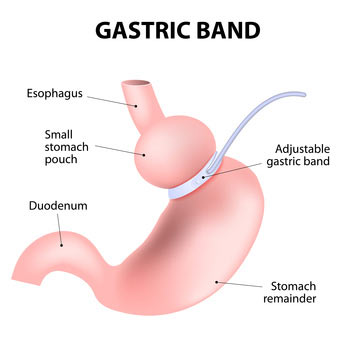
Surgical weight loss, particularly gastric bypass surgery, is indicated only for severe obesity, where patients cannot control their weight with traditional methods, such as lifestyle modification, pharmacotherapy or diet.
3. CPAP Therapy
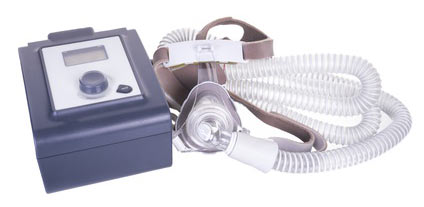
CPAP therapy is the most common treatment for sleep apnea, and the most effective. The only problem is that it's so difficult to adapt to it.
If you are overweight and have obstructive sleep apnea, then you should start your CPAP therapy as soon as possible.
You will have a more restful sleep and better energy level in day time. And then you can fight against obesity with less effort.
Home › Sleep Apnea Treatment › Sleep Apnea and Obesity
Affiliate Disclosure
As an Amazon Associate I earn from qualifying purchases.
Recent Articles


-
The Best CPAP Pillow For Sleep Apnea
Jul 22, 18 01:15 PM
 Why do you need a CPAP pillow, Which pillow is the best for CPAP users, and how to make one if you can't afford It.
 -
How To Use Portable Pulse Oximeter To Track Sleep Apnea Treatment?
Jul 09, 18 02:51 PM
 How can a portable pulse oximeter help with CPAP treatment? Can you trust a pulse oximeter to monitor sleep apnea? Click here to find the answers.
 -
The 3 Best Ways To Stop CPAP Dry Mouth
Jun 23, 18 11:02 AM
 How can you prevent and treat CPAP dry mouth? A practical guide to assist you with dry mouth when using the CPAP machine.
Subscribe
Don't worry - your e-mail address is totally secured. I promise to use it only to send you monthly updates with useful tips to improve you sleep apnea.