Pillows for Sleep Apnea
How to Reduce Sleep Apnea With Special Pillows
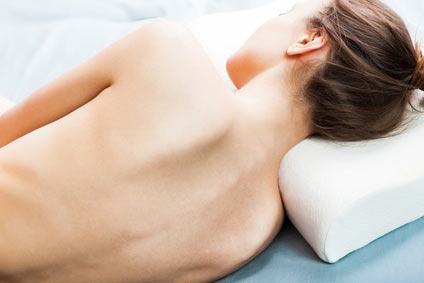
How can pillows for sleep apnea reduce your snoring and apnea events, or even eliminate them?
What is the best sleep apnea pillow that can help you improve your sleep breathing disorder?
The answers can be found in this article.
The pillows for sleep apnea and snoring are designed to help you sleep comfortably on your side.
In certain cases sleeping on the side may contribute to enhancing sleep respiratory function.
Sleeping posture is the most efficient behavioral change to help treating sleep apnea, and is also the most inexpensive and less stressful than any other therapy known today.
A large number of studies have shown that supine position or sleeping on the back increase the sleep apnea events. This is because of changes in the collapse threshold of the upper airways when lying on the back, but there are other consequences as well.
When the patients with sleep apnea are treated with CPAP, those who sleep on their backs need a higher treatment pressure.
Furthermore, some people experience sleep apnea only when lying on their backs.
Can YOU Benefit from Pillows for Sleep Apnea?
If you have sleep apnea, you may ask yourself if special pillows for side sleeping can help you to treat apnea events. First of all, try to answer to these 3 questions:
Do you snore in your sleep?
Tonight, when you go to sleep, avoid sleeping on the back. Ask your partner if you still snoring when you sleep on the side. If you don't have a partner, use a night vision camera or an audio recorder to record your sleep.
And another thing...see if you feel better in the morning after you slept on the side. This is a sign that positional therapy works for you.
Do you have obstructive sleep apnea?
Positional therapy is useless for patients with central sleep apnea, or mixed sleep apnea. You need a sleep study to know exactly what problems you have during sleep.
Alternatively, you can test if you have OSA at home.
Do you have mild or moderate OSA?
Preventing sleeping on the back is effective for patients with a mild or moderate form of the syndrome, but it has no significant effect on those who have a severe form of the syndrome.
And again, you need the sleep study report, to find how severe is your sleep apnea. In this report there should be a summary of the effect of position on the respiratory events.
If you've had your sleep study, you should know that the sleep technicians cycle the patient through all positions and sleep stages to get an accurate idea of the overall effect of position, so hopefully you can get these information in your report. You can call the sleep laboratory office and just leave a message "Can you tell me if there was a difference in my AHI between my back and my side?".
They should call you back and share that info without an office visit.
What Are The Best Pillows for Sleep Apnea?
The most successful pillows for sleep apnea are:
1. Contour Pedic Pillows
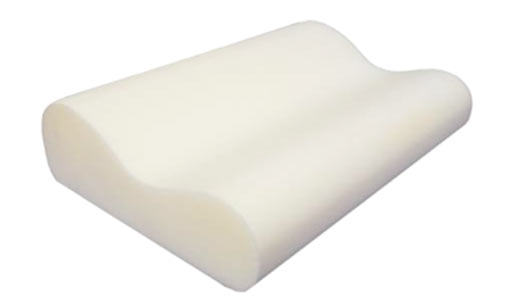
Contour Pedic Neck Pillows - you will be surprised how much difference a pillow could make.These pillows for sleep apnea are a little pricey but good sleep on a pricey pillow is better than poor sleep on a cheap one.
Here is how to sleep with a contour pedic pillow:
2. Stomach Sleeper Pillow
The stomach sleeper pillow promotes side sleeping. However, if you often prefer to sleep on your stomach, this pillow has a specially designed chin rest.
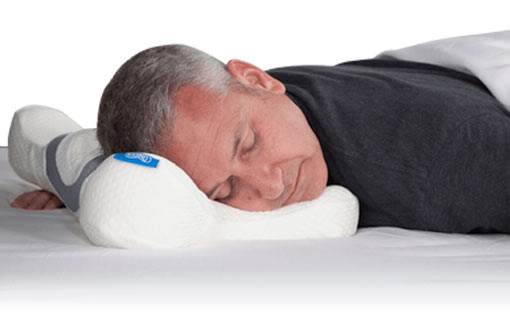
You'll notice that the pillow is lower than normal. This actually works on your favor, because your chances of having sleep apnea events will be lower on low elevation.
3. Side Sleeping Backpack
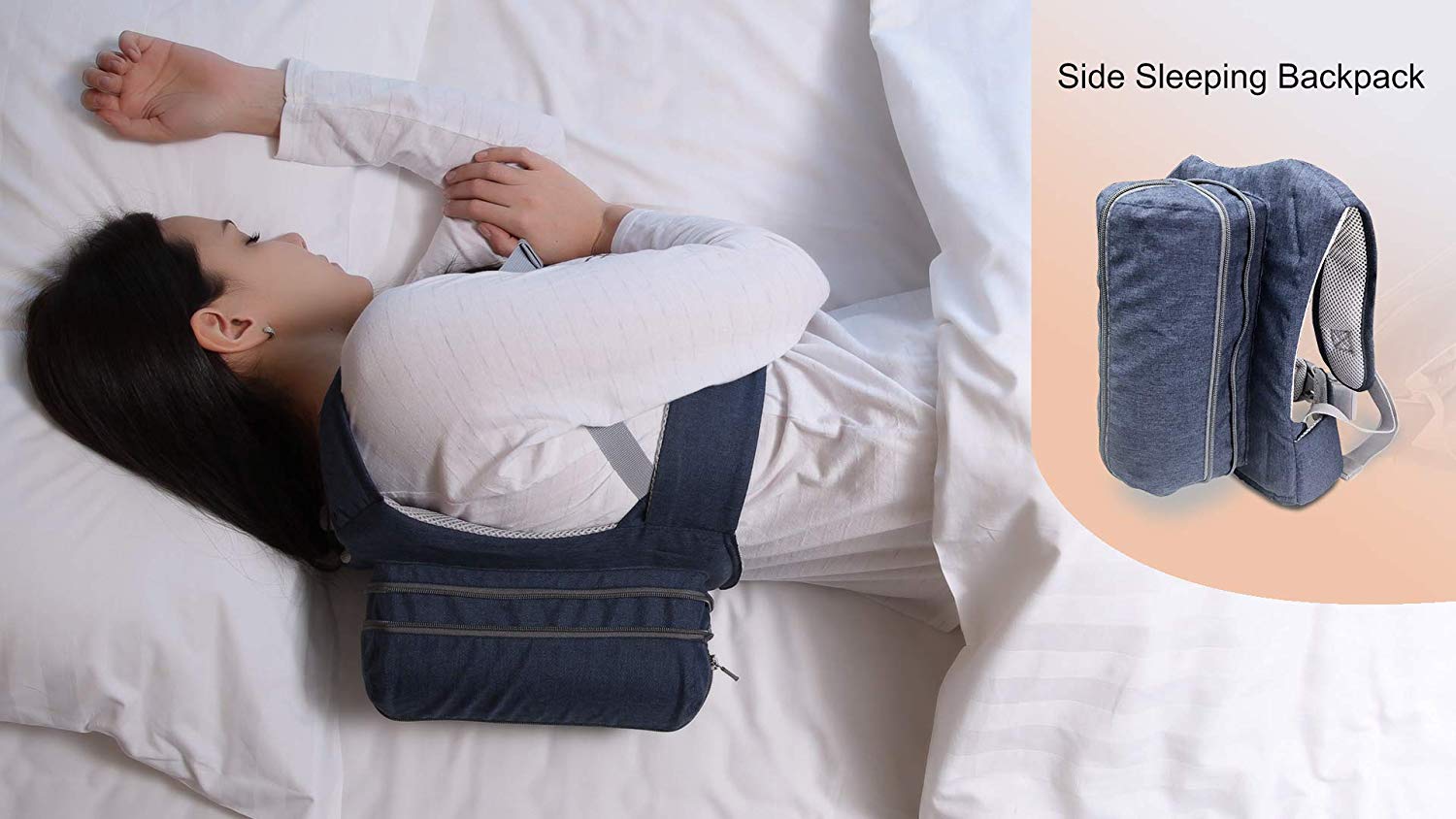
The side sleeping backpack is the most recommended product for side sleeping. It was specially designed for sleep apnea patients who sleep better on the side rather than on their back.
During a sleep study, if you are showing signs of positional sleep apnea, you can try sleeping on your side with the backpack, to check if positional therapy may alleviate your symptoms and be an effective course of treatment.
Can Positional Sleeping Cure Sleep Apnea?
One advice if you choose positional therapy to treat your sleep apnea: unless the sleep test showed that you have positional sleep apnea, I wouldn't assume that just side sleeping will fix "everything".
I'm not trying to say that positional therapy isn't a good thing (I treat my sleep apnea sleeping on the side), but you need to have the improvements measured.
Let's suppose you can't afford a sleep study now, and you bought pillows for sleep apnea or a bumper belt, because it's cheaper. You shouldn't forget that sleep apnea can still get worse, after many years of unsuccessful positional therapy.
My advice is to save money for a sleep study, and is better to do the sleep test twice: in the begging of the positional therapy and after a year, to see if you truly have improvements with your pillows for sleep apnea.
Sleep Apnea › Sleep Apnea Pillow › Pillows for Sleep Apnea
Affiliate Disclosure
As an Amazon Associate I earn from qualifying purchases.
Recent Articles


-
The Best CPAP Pillow For Sleep Apnea
Jul 22, 18 01:15 PM
 Why do you need a CPAP pillow, Which pillow is the best for CPAP users, and how to make one if you can't afford It.
 -
How To Use Portable Pulse Oximeter To Track Sleep Apnea Treatment?
Jul 09, 18 02:51 PM
 How can a portable pulse oximeter help with CPAP treatment? Can you trust a pulse oximeter to monitor sleep apnea? Click here to find the answers.
 -
The 3 Best Ways To Stop CPAP Dry Mouth
Jun 23, 18 11:02 AM
 How can you prevent and treat CPAP dry mouth? A practical guide to assist you with dry mouth when using the CPAP machine.
Subscribe
Don't worry - your e-mail address is totally secured. I promise to use it only to send you monthly updates with useful tips to improve you sleep apnea.