Narcolepsy and Sleep Apnea
Differences Between Narcolepsy and Sleep Apnea
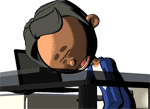
Narcolepsy and sleep apnea can make a persons's life very difficult.
Patients may experience overwhelming waves of drowsiness that may strike at any hour of the day, putting them to sleep during conversations, meetings, meals, and other ordinary activities.
What Is Narcolepsy?
Narcolepsy is a rare chronic neurological disorder.
Sleep apnea and narcolepsy are often confused, due to similar symptoms.
Here is a video about narcolepsy, including a sequence with narcolepsy episode with cataplexy (sudden loss of voluntary muscle control):
 Learning what is narcolepsy
Causes of Narcolepsy
The difference between narcolepsy and sleep apnea consists in the causes that trigger this disorder.
The main cause of narcolepsy is the brain inability to regulate sleep-wake cycles normally, inducing excessive daytime sleepiness and often disturbed nocturnal sleep.
People with narcolepsy may fall asleep for periods lasting from a few seconds to several minutes.
In some cases they may remain asleep for an hour or longer.
Symptoms of Narcolepsy compared with Sleep Apnea
Excessive Sleepiness
Narcolepsy's main symptom is excessive daytime sleepiness, even after adequate nighttime sleep.
It's no wonder why narcolepsy and sleep apnea are so often confused. People who have narcolepsy or sleep apnea often fall asleep at inappropriate times and places.
Have you ever seen a narcoleptic person? If you see a person who involuntarily fall asleep at work or at school, while having a conversation, eating or driving, then you found a person with narcolepsy symptoms.
Here is a video about a real person with narcolepsy, talking about his sleep problem and how it deals with it:
Real story about narcolepsy
Cataplexy
Other important narcolepsy symptom is cataplexy, or sudden loss of voluntary muscle control.
This involves a sudden episode of muscle weakness triggered by emotions, such as laughter, surprise, anger or fear.
The weakness may show up as buckling of the knees, drooping shoulder, limpness at the neck or a complete body collapse. In severe cases of cataplexy, the patient might fall down and become paralyzed for a couple of minutes.
Narcoleptic patients remain conscious during the attack and are able to remember the details of the event afterward.
Hallucinations and Sleep Paralysis
Another narcolepsy symptom is vivid or hypnagogic hallucinations, which often occur when falling asleep or waking up. These dreams are so lifelike that they can be confused with reality.
People who have narcolepsy may experience another terrifying experience, called sleep paralysis. This symptom is a transient inability to move usually when falling asleep or waking up. A person finds himself suddenly unable to move the limbs, to speak, or even to breathe, and he may have in the same time hallucinations.
The experience of sleep paralysis is so scary that the patient may have extreme fear of dying, intensified by terrifying hallucinations.
Narcolepsy treatment
There is no treatment for narcolepsy, but some symptoms can be controlled with various medications. For example, there are central nervous system stimulants that can maintain a wakeful state.
These drugs are amphetamines, such as methylphenidate, dextroamphetamine and methamphetamine, which reduce daytime sleepiness.
However, in this video you will learn some tips to help your narcolepsy:
Treatment for Narcolepsy
Antidepressants can prevent muscle weakness and sleep paralysis, but these drugs can react with other disorders which can cause complications.
Speak with your doctor before taking these drugs.
Some more interesting pages for you to check out:

Affiliate Disclosure
As an Amazon Associate I earn from qualifying purchases.
Recent Articles


-
The Best CPAP Pillow For Sleep Apnea
Jul 22, 18 01:15 PM
 Why do you need a CPAP pillow, Which pillow is the best for CPAP users, and how to make one if you can't afford It.
 -
How To Use Portable Pulse Oximeter To Track Sleep Apnea Treatment?
Jul 09, 18 02:51 PM
 How can a portable pulse oximeter help with CPAP treatment? Can you trust a pulse oximeter to monitor sleep apnea? Click here to find the answers.
 -
The 3 Best Ways To Stop CPAP Dry Mouth
Jun 23, 18 11:02 AM
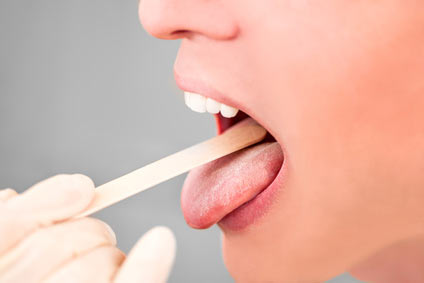 How can you prevent and treat CPAP dry mouth? A practical guide to assist you with dry mouth when using the CPAP machine.
Subscribe
Don't worry - your e-mail address is totally secured. I promise to use it only to send you monthly updates with useful tips to improve you sleep apnea.