Congestive Heart Failure Treatment
How to Treat Heart Failure if You Have Sleep Apnea?
This page provides information about congestive heart failure treatment and preventive measures that will help you to avoid the serious issues of heart disease.
If you have sleep apnea and you're overweight, this article is can teach you what to do to prevent and treat congestive heart failure.

Preventive Measures for Sleep Apnea Patients
Congestive heart failure often occurs in patients with severe or untreated sleep apnea. If you have a sleep breathing disorder, here are some tips you really need to apply to protect your heart from danger:
Monitor Your Blood Pressure
Blood pressure keeps nutrients and oxygen moving to the body's cells. The pressure created by the squeezing of the heart must be sufficient to overcome the force of gravity and reach your head when you stand. In other words, your blood pressure keeps you alive.
However, if the blood pressure is too high for too long it can stiffen and narrow the insides of your blood vessels, forcing your heart to work harder than it should.
In time, the heart can begin to wear out, sending less blood to your body with each beat than your body really needs, a condition known as congestive heart failure.
There is so much more to say about Heart Failure. For more info, see What is Congestive Heart Failure.
In other words...get your blood pressure tested.
If you have a congestive heart failure, there's good chance you have a high blood pressure. Reducing your high blood pressure can minimize your risk for more severe heart problems and stroke.
Bottom line...The first step to first congestive heart failure treatment is to reduce your blood pressure with lifestyle changes or with medication.
Get Your Cholesterol Tested
The research studies involving thousands of patients with heart disease have shown that lowering cholesterol decreases your risk of having a congestive heart failure or heart attack by as much as 40%.
The excess of cholesterol on the insides of the artery walls cause the arteries to narrow and harden, making them vulnerable to blockage and rupture. As you probably think, when this occurs in arteries supplying the heart, it can damage the heart.
So, next step towards congestive heart failure treatment is to find out if your cholesterol levels are too high with a blood test called lipid panel.
After you found that you have high cholesterol levels in your blood, you should aim to lower it through diet, exercise, and weight loss, before moving to medications.
Taking Charge of Your Fitness
When your family doctor tells you that you have a heart failure, your instinct may tell you that the best and safest thing to do is go home, lie down, have a good long rest and let the heart repair itself.
But in this case, your instinct is wrong, because the exercise is good for the heart. Studies show that, in people with heart problems, the exercise strengthens the heart and helps it to work more efficiently.
Why fitness is good for your heart? The answers is that exercise doesn't just strengthen the heart muscle itself, but:
- it improves the health of your arteries and the rest of your cardiovascular system, too.
- it reduces the likelihood that clots will form that might trigger a heart attack.
- lowers the blood pressure and increases good cholesterol levels.
- keeps blood sugar under control.
- increases overall endurance.
However, that doesn't mean the first thing you should do after your diagnose is to start an intense exercise. Guided by your doctor and an exercise professional, exercise is not only safe, but it's critical to your long-term health.
Loose Your Weight
The good thing about losing weight is:
- it lowers your risk of congestive heart failure and other heart diseases.
- reduces the symptoms of obstructive sleep apnea, the sleep disorder that can cause congestive heart failure in overweight patients.
- reduces your hypertension
- raises your good cholesterol or HDL
- lowers your bad cholesterol or LDL.
- reduces your risk of diabetes.
- lowers your blood sugar levels to reverse diabetes.
As you can see, the simple act of losing excess weight comes with lots of benefits. So, if you're overweight, you have an opportunity to help yourself without even going to an hospital.
Keep an Eye on Your Blood Sugar
Glucose is a form of sugar - the primary fuel your body runs on. You need to have enough glucose in your bloodstream to remain healthy, but if you have too much it can affect your health.
The hormone that regulates how much glucose gets absorbed from your blood by the cells is called insulin.
When the insulin is not succeeding in helping your cells to absorb glucose, the cells become starved for energy and you begin to feel tired, weak, hungry, and irritable.
At the same time, the sugar level rises in your bloodstream, because it's not getting to the cells anymore. This condition is called diabetes.
Note: People with diabetes have an especially high risk of developing congestive heart failure and other heart diseases. In addition, their heart problems tend to be worse than those in people without diabetes.
So, what should you do if you have obstructive sleep apnea with or without congestive heart failure?
The next step would be to control your blood sugar levels. In this way you can prevent from developing diabetes type II.
The strategies are the same: diet, weigh loss, exercise, and if these are not sufficient, you probably medications. Your family doctor can help you in this situation.
Congestive Heart Failure Treatment
 The Link Between Sleep Apnea and Congestive Heart Failure
Most of the time the heart failure is likely to involve problems with the muscle pump of your heart. In this situation,the congestive heart failure treatment will be with drugs, such as:
- diuretics - these reduce fluid and relieve breathlessness and ankle swelling.
- nitrates - isosorbide mononitrate or dinitrate.
- beta blockers - used to improve symptoms.
- digoxin - used to help control atrial fibrillation.
- statins - used to reduce cholesterol.
Remember that any heart failure drugs or treatment should be taken after you consult your doctor!
The main thing is to take care against increasing the fluid
build-up in your body, particularly in your lungs or legs. Therefore:
- try to lose weight
- avoid salty foods
- keep as active as you can
- weight yourself every day to check if you have put on weight which might be due to increased fluid.
- take your medicine prescribed by your doctor.
If your heart muscle is very weak in spite of optimal medical treatment, congestive heart failure surgery - especially transplantation - is the best option available to give you a better quality and length life.
If you find it harder to breathe, your ankles swell, or you feel generally washed out, contact your doctor as soon as possible. Don't let the fluid build up too much as it alters the absorption of some medications making the congestive heart failure treatment more difficult.
Some more interesting pages for you to check out:

Affiliate Disclosure
As an Amazon Associate I earn from qualifying purchases.
Recent Articles


-
The Best CPAP Pillow For Sleep Apnea
Jul 22, 18 01:15 PM
 Why do you need a CPAP pillow, Which pillow is the best for CPAP users, and how to make one if you can't afford It.
 -
How To Use Portable Pulse Oximeter To Track Sleep Apnea Treatment?
Jul 09, 18 02:51 PM
 How can a portable pulse oximeter help with CPAP treatment? Can you trust a pulse oximeter to monitor sleep apnea? Click here to find the answers.
 -
The 3 Best Ways To Stop CPAP Dry Mouth
Jun 23, 18 11:02 AM
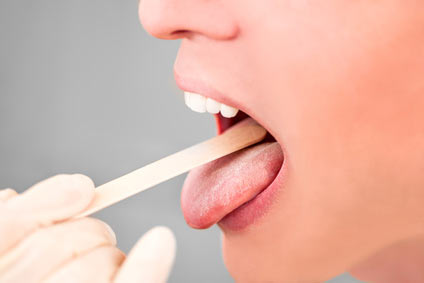 How can you prevent and treat CPAP dry mouth? A practical guide to assist you with dry mouth when using the CPAP machine.
Subscribe
Don't worry - your e-mail address is totally secured. I promise to use it only to send you monthly updates with useful tips to improve you sleep apnea.