Bariatric Surgery for Sleep Apnea
Types of bariatric surgery in sleep apnea patients
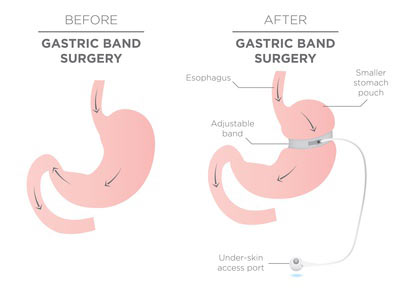
Bariatric surgery has been shown to improve postoperative weight, sleep apnea, and pulmonary physiology.
However, It and should be considered in sleep apnea patients with a BMI greater than 35 mg/kg2.
If your diet and exercise have had limited success in the treatment for obesity, bariatric surgery can be one of the harsher methods regarding the optimal weight reduction.
Types of Bariatric Surgeries
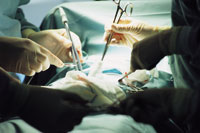
The weight reduction surgery is a serious life changing operation, because it forces you to reduce the amount of food that you consume by making your stomach smaller through different types of surgery.
There are several types of bariatric surgeries. In this video, you'll learn what are those types, and how are they performed by the surgeon.
The most common surgical weight-loss options for the treatment of morbid obesity are:
Gastric Bypass Surgery
This is the most common weight loss surgery performed today, where the stomach is reduced in size by dividing the stomach in two parts.
The small upper part of your stomach will receive the food from the esophagus and empties into intestines that has been brought up and attached to it.
For more info about this surgery, see Gastric Bypass Surgery.
Laparoscopic Adjustable Gastric Banding
Also called lap-band surgery, it's performed by placing an inflatable band around the upper part of the stomach. When the band is inflated, your stomach turns to a small sack with a small drainage opening.
The inflation of the band is adjusted through a tube leaving the band from an aperture outside the abdominal wall.
Sleeve Gastrectomy
This surgery allows the patient to eat much less. It consists of a laparoscopic surgery in which with the help of an auto-suture machine, the stomach is sectioned leaving a thin gastric tube.
This surgery as with the gastric bypass, are the only procedures where an appetite regulating hormone, the ghrelin, decreases significantly, and in result the patient has less appetite for about 4 to 6 months.
Lap-band vs Gastric Bypass Surgery
Researches suggest that lap-band surgery is not so effective as gastric bypass surgery, and can damage your esophagus or stomach, or you may have problems with the inflatable band.
Who are the candidates for weight loss surgery?
The surgical treatment of obesity should only be considered if you meet the following criteria:
- you have body mass index (BMI) greater than 40.
- you have BMI of 35 to 39 with life-threatening conditions such as hypertension, cardiopulmonary disorders or diabetes mellitus.
- you have not been successful with natural weight loss program for at least five years.
- your age is between 18 and 60 years old.
Which weight loss surgery should you choose?
Orange County Bariatric Surgeon Dr. Oliak explains how to choose the best weight loss surgery for you:
Bottom line... Bariatric bypass surgery has been shown to have success in sleep apnea. It may be an effective solution for severely obese apnea patients whose doctors consider them to be good candidates for this type of surgery.
However, due to long time required for weight loss, you should continue you therapy with CPAP until you will see an improvement in your weight.
If you can't tolerate your CPAP machine, try other methods and procedures that may be contemplated in addition to the bariatric bypass surgery. Your doctor should know what choices do you have.
Home › Sleep Apnea Treatment › Bariatric Surgery
Affiliate Disclosure
As an Amazon Associate I earn from qualifying purchases.
Recent Articles


-
The Best CPAP Pillow For Sleep Apnea
Jul 22, 18 01:15 PM
 Why do you need a CPAP pillow, Which pillow is the best for CPAP users, and how to make one if you can't afford It.
 -
How To Use Portable Pulse Oximeter To Track Sleep Apnea Treatment?
Jul 09, 18 02:51 PM
 How can a portable pulse oximeter help with CPAP treatment? Can you trust a pulse oximeter to monitor sleep apnea? Click here to find the answers.
 -
The 3 Best Ways To Stop CPAP Dry Mouth
Jun 23, 18 11:02 AM
 How can you prevent and treat CPAP dry mouth? A practical guide to assist you with dry mouth when using the CPAP machine.
Subscribe
Don't worry - your e-mail address is totally secured. I promise to use it only to send you monthly updates with useful tips to improve you sleep apnea.